
Latest Products




Contact Us
- 18 Yangdong Road, Xinzhuang Town, Changshu, Suzhou City, Jiangsu Province
- sz_shf@126.com
- +86-512-66836175
Why Choose Us?
Professional Team
Founded in April,2007, Suzhou Shengfa Aluminium Industry Co.,Ltd. Have 15 years experience in aluminium extrusion profiles. We has been a leading aluminum extrusion, machining and surface treatment manufacturer in China.
Accept ODM/OEM service
Can provide aluminium extrusion profiles, semi-finished components, semi-finished systems and finished products. Shengfa provides OEM and ODM services according to DIN EN, ASTM, GB/T standards and customer requirements.
High Quality
Shengfa acquired Jiangsu Province Quality and Integrity Double Guarantee Demonstration2019, acquired ISO9001 International Quality System Certification in May, 2015, acquired IATF 16949 International Quality Systerm Certification in Jul.,2021.
Advanced Equipment
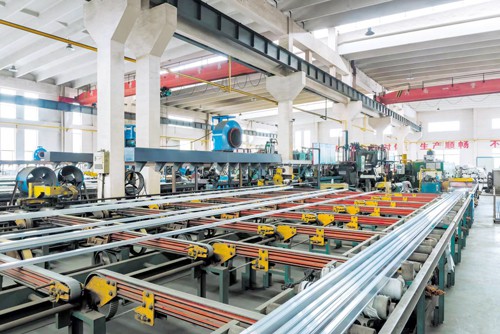
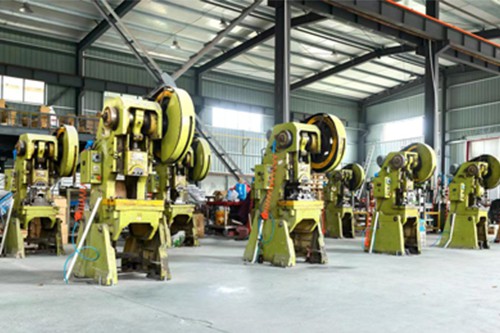
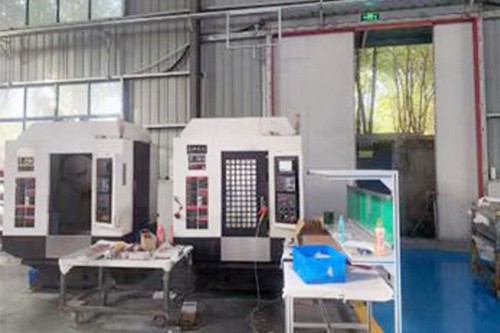
Shengfa has more than 3,000 dies, 630MT, 830MT, 1250MT,1600MT, total 4 extrusion lines, 2 sets of sandblasting machines, 6 sets of plane sawing machines, 3 sets of double end sawing machines, 1 set of 4.5m CNC machine, 2 sets of 850mm CNC machines, 8 sets of punching machines, 2 sets of tapping machines and 1 oxidation line.
Aluminum profiles are products born from aluminum alloys that are transformed into shaped objects through the extrusion process. Aluminum's unique combination of physical characteristics mostly depends on this process. Aluminum extrusions are used in several fields because this metal is: Strong and stable.
 Aluminium Round Tube
SF-BD-115;ROUND TUBE;16.2*1.2MM;16.2;1.2;6400;0.152;OXIDATION/POWDER COATING
Add to Inquiry Rectangle and Square Box
SF-MB180;SQUARE BOX 25*2.5MM;25;2.5;6400;0.612;OXIDATION/POWDER COATING
Add to Inquiry Aluminium Angle Bar
SF-SH14;EQUAL ANGLE;50*50*7MM;50;7;6400;1.77;OXIDATION/POWDER COATING
Add to Inquiry Aluminium Plate Bar
SF-BD-106;FLAT BAR 15*2.4MM;15;2.4;6400;0.098;OXIDATION/POWDER COATING
Add to Inquiry
Advantages of Aluminium Profiles: A Superior Choice for Industrial Applications
In the industrial world, the choice of materials significantly impacts the success and efficiency of various projects. When it comes to industrial applications, the debate between basic aluminium profiles and stainless steel often arises.
Weight and strength
One of the key advantages of basic aluminium profiles is their lightweight nature. Aluminium is significantly lighter than stainless steel, making it easier to handle, transport, and install. This weight advantage translates to cost savings, as less structural support is required. Moreover, basic aluminium profiles maintain a commendable strength-to-weight ratio, making them suitable for applications that demand structural integrity without unnecessary bulk.
Design flexibility
Basic aluminium profiles offer exceptional design flexibility, allowing engineers and designers to create complex shapes and customized solutions. The extrusion process enables the production of intricate profiles with precise dimensions, making it an ideal choice for industries that demand unique designs. On the other hand, stainless steel's higher strength and rigidity may present challenges in shaping and forming, limiting design possibilities.
Cost-effectiveness
Cost-effectiveness is a significant factor in industrial applications, and basic aluminium profiles excel in this aspect. Aluminium is a relatively inexpensive material compared to stainless steel, making it a favorable choice for budget-conscious projects. Additionally, the lightweight nature of aluminium reduces transportation costs and simplifies installation, further contributing to cost savings. When projects do not require the superior strength of stainless steel, basic aluminium profiles offer a cost-effective solution without compromising performance.
Thermal conductivity
Basic aluminium profiles possess excellent thermal conductivity, making them highly suitable for applications involving heat transfer. They efficiently dissipate heat, making them ideal for industries such as electronics, automotive, and hvac. On the other hand, stainless steel has lower thermal conductivity, making it less efficient in heat dissipation. Therefore, in industries where efficient cooling is crucial, basic aluminium profiles provide a clear advantage.
Corrosion resistance
Aluminium naturally forms a protective oxide layer, which acts as a barrier against corrosion. Additionally, the use of advanced coatings and treatments further enhances their resistance to harsh environmental conditions, such as saltwater or chemical exposure. In certain industries where corrosion is a major concern, basic aluminium profiles offer a cost-effective alternative to stainless steel.
Electrical conductivity
In industries that require electrical conductivity, basic aluminium profiles offer distinct advantages. Aluminium is an excellent conductor of electricity, making it suitable for electrical applications such as wiring, bus bars, and heat sinks. Stainless steel, while possessing some electrical conductivity, is not as efficient as aluminium in this regard.
Different Types of Basic Aluminium Profiles
Curtain wall facades on modern buildings utilize a variety of specialized extruded basic aluminium profiles. Mullions, transoms, perimeter trims and wall panels are commonly made from extruded aluminium due to its strength, corrosion resistance and lightweight.
Mullions are the main vertical and horizontal framing members that hold the facade in place. They can have different profiles depending on structural and design requirements. Transoms are the horizontal elements located between floors. Perimeter trims are used to finish the edges. Extruded basic aluminium profiles allow curtain wall systems to be engineered for large spans with minimal structural thickness. They can be anodized or painted in different colours to achieve the desired aesthetic. Aluminium curtain wall systems are highly durable and require very low maintenance over the lifetime of the building.
Extruded basic aluminium profiles are extensively used in aluminium doors, windows and glazing systems due to their corrosion resistance, strength and versatility. Common profiles include frames, mullions, transoms, panels and trims.
Door and window frames are hollow extruded sections that provide strength and thermal breaks. Mullions and transoms are similar to curtain wall systems. Panels can be made of aluminium composite material, insulating glass or polycarbonate for glazing. Co-extruded thermal barrier profiles are also used where insulation is required between the inner and outer frames. Extruded aluminium allows for large spans and complex geometries in structural glazing applications. Its light weight also makes aluminium an energy-efficient choice for fenestration. Different finishes can be applied according to architectural specifications.
Extruded aluminium handrails, balusters and balustrade panels are a popular choice for railings on balconies, stairs, walkways and other applications. Common profile types include round, square and rectangular tubes or bars.
They provide strength and durability without much maintenance. Square and rectangular hollow sections can be used for horizontal and vertical rails. Round tubes make good balusters spaced at standard intervals. Aluminium railing systems are engineered for structural strength and code compliance. They can be powder-coated or anodized in different colours. Extruded aluminium railings are corrosion-resistant, weatherproof and suitable for outdoor use. Their light weight also makes installation easier compared to other materials.
In addition to standard profiles, aluminium can also be extruded or machined into more specialized shapes according to project requirements. Some examples include extrusions for blinds, shutters and awning components. Hollow and solid rectangular, circular or triangular sections are used for structural framing in industrial equipment.
Complex hollow sections are used as heat sinks for electronics. Thin-walled tubing finds applications in bicycles, ladders, and scaffolding. Cnc machining allows aluminium to be cut into intricate 3D geometries for architectural details, molds, and other precision components. With the versatility of extrusion and machining processes, aluminium can be engineered into almost any shape as required. Its formability, strength and corrosion resistance make it suitable for a wide variety of specialized applications.
The detailed steps of the basic aluminium profile shaping production process are as follows:
Step 1: Initiating raw material intake (basic aluminium profile blanks)
The initial material, when received, typically comes in a raw form and is commonly referred to as basic aluminium profile blanks. These blanks are primarily basic aluminium profile alloys, combined with other elements such as silicon, magnesium, manganese, copper, and tin.
Step 2: Quality check of basic aluminium profile before heating
The alloys used in shaping basic aluminium profile bars are mainly basic aluminium profile 6063 and 6061. Upon arrival, the basic aluminium profile blanks undergo a rigorous quality check involving testing for properties like boron, titanium, and homogenization through defect detection equipment. This step is essential to categorize the basic aluminium profile blanks as suitable or unsuitable for the production of high-quality basic aluminium profile profiles.
Step 3: Commencing the basic aluminium profile profile design
Basic aluminium profile profiles from basic aluminium profile are created through dedicated product lines managed by a team of professional engineers. These artisans continuously explore and strive for innovation to deliver premium basic aluminium profile door designs that meet all current consumer needs. The design of the basic aluminium profile profiles must meet quality, safety, and material standards to ensure their suitability for use.


Step 4: Mold inspection
The molds used in industrial basic aluminium profile shaping must adhere to the exact specifications outlined in the standards. These molds ensure the safest possible casting process and prioritize heat resistance. Extracting basic aluminium profile bars from the molds should be effortless and convenient.
Step 5: Basic aluminium profile extrusion
After analyzing the basic aluminium profile blanks and confirming that they meet the required metal composition, they are sent to a hot cutting machine. The machine, with a temperature range of approximately 430 – 450 degrees Celsius, cuts the blanks into segments of the desired length for various applications.
Before extrusion, the mold should be checked to ensure it matches the desired pattern. Depending on specific needs and purposes, different mold sizes and designs may be used. Temperature consistency is a critical factor and is prioritized during the extrusion process. Furthermore, removing the basic aluminium profile bars from the mold after extrusion should be as easy and convenient as possible.
During this process, the pure basic aluminium profile blanks are melted at temperatures around 600 degrees Celsius. The molten material is poured into the molds to shape the basic aluminium profile. This method ensures uniformity and stability in the final product's structural integrity.
Step 6: Post-extrusion component check
After casting, the basic aluminium profile blanks undergo an analysis of their internal metal components. If they meet the requirements, they are cut into smaller sections that best fit the specifications. These sections are then heat-treated and transferred to the extrusion machine to produce basic aluminium profile profile according to predefined designs.
Step 7: Hardness treatment
Basic aluminium profile profiles typically have relatively soft properties after extrusion. They are then placed in aging ovens for approximately 4 hours at temperatures ranging from 180 to 220 degrees Celsius. The process is adjusted based on specific product requirements to achieve hardness levels ranging from 10 to 15 HW.
Step 8: Surface treatment
Basic aluminium profile blanks meeting material and hardness standards undergo surface treatment, typically involving the application of electrostatic powder coating. Subsequently, they are immersed in paint tanks for the dyeing process.
For surface-treated basic aluminium profile profiles, certain criteria must be met, including a smooth, blemish-free surface finish, and color consistency matching the original design.

Aluminum is a versatile metal with various applications, including construction, transportation, packaging, and consumer goods. One of the critical aspects of using aluminum in these applications is selecting the right aluminum section profile. The aluminum section profile refers to the shape of the aluminum extrusion, and it can determine the mechanical properties, strength, and functionality of the aluminum component.
Consider the functionality
Before selecting an aluminum section profile, it is crucial to understand the functionality of the aluminum component. The functionality can determine the size, shape, and thickness of the aluminum extrusion. For example, if the aluminum component needs to be structurally sound, you may require a thicker and heavier aluminum section profile. However, if the component is for decorative purposes, a lighter and thinner aluminum section profile may suffice.
Determine the load requirements
Another critical factor to consider when choosing an aluminum section profile is the load requirements. The load requirements refer to the amount of weight or pressure that the aluminum component can withstand. The load requirements can determine the strength, stiffness, and deformation of the aluminum extrusion. If the aluminum component needs to support heavy loads, you may require an aluminum section profile with a thicker and more massive cross-section.
Evaluate the design requirements
The design requirements of the aluminum component can also influence the selection of the aluminum section profile. The design requirements refer to the shape, size, and aesthetics of the aluminum component. For example, if the aluminum component needs to be curved or bent, you may require an aluminum section profile that can be easily shaped without compromising the strength or integrity of the extrusion.
Consider the manufacturing process
The manufacturing process can also influence the selection of the aluminum section profile. The manufacturing process refers to the process of converting the aluminum billet into an extruded profile. The manufacturing process can determine the complexity, tolerance, and finishing of the aluminum extrusion. If the manufacturing process requires high precision and tight tolerances, you may require an aluminum section profile that can be easily extruded with minimal distortion or defects.
Evaluate the cost
The cost of the aluminum section profile can also influence the selection. The cost can depend on the size, shape, complexity, and finishing of the aluminum extrusion. If the aluminum component requires a highly customized section profile with intricate designs and finishing, the cost may be higher than a standard section profile.
Does Basic Aluminium Profile Rust
Basic aluminium profile corrodes but it does not rust. Rust refers only to iron and steel corrosion.
Basic aluminium profile is actually very prone to corrosion. However, basic aluminium profile corrosion is basic aluminium profile oxide, a very hard material that actually protects the basic aluminium profile from further corrosion. Basic aluminium profile oxide corrosion also looks a lot more like basic aluminium profile (dull gray to powdery white in color), so it isn't as easy to notice as rusted iron.
Unlike basic aluminium profile oxide, the expanding and flaking off of rust exposes new metal to further rusting. This is why it is so important to provide a barrier so rust doesn't start.
While aluminium doesn't rust, it often becomes dull from corrosion, and is often encrusted with brake dust, calcium, lime, tarnish, grease, oil and hard water stains. Simply washing it off will not work, you need something stronger and more effective to do the job.
Application of Basic Aluminium Profile
Construction
Bridge-cut-off aluminum doors and windows, curtain wall aluminum profiles, etc.
Radiator
Aluminum profile radiator, which can be applied to heat dissipation of various electronic equipment.
Industrial production and manufacturing
Basic aluminium profile accessories, automatic mechanical equipment, assembly line conveyor belts, etc.
Manufacturing of auto parts
Luggage rack, doors, body, etc.
Furniture manufacturing
Home decoration frame, all-aluminum furniture, etc.
Solar photovoltaic profile
Solar aluminum profile frame, bracket, etc.
Track lane structure
Mainly used in the manufacture of rail vehicle bodies.
Mounting
Aluminum alloy picture frame, used to mount various exhibits or decorative paintings.
Medical equipment
Making stretcher frame, medical equipment, medical bed, etc.
Our Factory
Founded in April,2007, Suzhou Shengfa Aluminium Industry Co.,Ltd has been a leading aluminum extrusion, machining and surface treatment manufacturer in China with fine quality, prompt customer service and overall solutions for customer products. Shengfa acquired Jiangsu Province Quality and Integrity Double Guarantee Demonstration Unit in Nov.,2011, acquired Jiangsu Province Intergity Management Demonstration Unit in Mar., 2015, acquired Jiangsu Province Private Technology Enterprise in Oct.,2019, acquired ISO9001 International Quality System Certification in May, 2015, acquired IATF 16949 International Quality Systerm Certification in Jul.,2021.

Our Certificate
ISO9001,IATF16949,Shengfa have patents of a camera housing, a radiator anti-hot air return structure and a radiator containing the structure, an automobile radiator with a shock absorption structure for easy replacement of the core body, an automobile radiator guard plate structure and a radiator containing the radiator.

Production Equipment
Shengfa has more than 3,000 dies, 630MT, 830MT, 1250MT,1600MT, total 4 extrusion lines, 2 sets of sandblasting machines, 6 sets of plane sawing machines, 3 sets of double end sawing machines, 1 set of 4.5m CNC machine, 2 sets of 850mm CNC machines, 8 sets of punching machines, 2 sets of tapping machines and 1 oxidation line.




FAQ
As one of the most professional basic aluminium profiles manufacturers in China, we're featured by quality products and low price. If you're going to buy cheap basic aluminium profiles for sale, welcome to get quotation and free sample from our factory. Also, customized service is available.
Basic Aluminium Profiles, 30 Series aluminium 30 series aluminium Industrial profiles, Aluminium Angle Bar