
Latest Products




Contact Us
- 18 Yangdong Road, Xinzhuang Town, Changshu, Suzhou City, Jiangsu Province
- sz_shf@126.com
- +86-512-66836175
Why Choose Us?
Professional Team
Founded in April,2007, Suzhou Shengfa Aluminium Industry Co.,Ltd. Have 15 years experience in aluminium extrusion profiles. We has been a leading aluminum extrusion, machining and surface treatment manufacturer in China.
Accept ODM/OEM service
Can provide aluminium extrusion profiles, semi-finished components, semi-finished systems and finished products. Shengfa provides OEM and ODM services according to DIN EN, ASTM, GB/T standards and customer requirements.
High Quality
Shengfa acquired Jiangsu Province Quality and Integrity Double Guarantee Demonstration2019, acquired ISO9001 International Quality System Certification in May, 2015, acquired IATF 16949 International Quality Systerm Certification in Jul.,2021.
Advanced Equipment
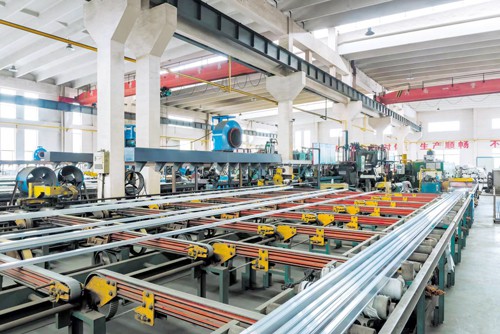
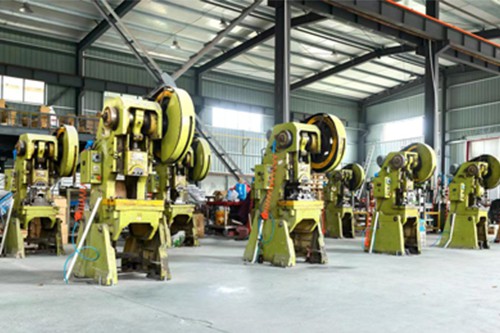
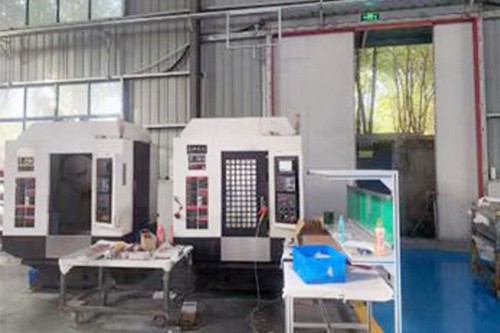
Shengfa has more than 3,000 dies, 630MT, 830MT, 1250MT,1600MT, total 4 extrusion lines, 2 sets of sandblasting machines, 6 sets of plane sawing machines, 3 sets of double end sawing machines, 1 set of 4.5m CNC machine, 2 sets of 850mm CNC machines, 8 sets of punching machines, 2 sets of tapping machines and 1 oxidation line.
Aluminium strut profile is a type of aluminum material that has undergone modern processing techniques with the main purpose of optimizing aluminum's properties. This material is extruded and subjected to a heat treatment process, resulting in various complex deformations. Aluminium strut profile exhibits high corrosion resistance, durability, lightweight characteristics, and ease of mechanical processing.
 15 Series Aluminium
Industrial aluminium profiles refer to the profiles which are for industrial usages.
Add to Inquiry 20 Series Aluminium
Industrial aluminium profiles refer to the profiles which are for industrial usages. It's commonly to see in our life because of it wide range of usages.
Add to Inquiry 30 Series Aluminium
The profiles of aluminum t slot profiles are kinds of Industrial aluminium profiles that we manufactured the in recent years. We sale to all over China and even to the world.
Add to Inquiry 40 Series Aluminium
Shengfa mainly manufactures radiator aluminium profiles since it was established.
Add to Inquiry 50 Series Aluminium
Industrial aluminium profiles refer to the profiles which are for industrial usages. It's commonly to see in our life because of it wide range of usages.
Add to Inquiry 60 Series Aluminium
Compared with other metal materials, extruded aluminum profile has strong plasticity, good productivity, and has good advantages for production.
Add to Inquiry 80 Series Aluminium
General industrial aluminum extrusion profiles are mainly used for industrial production and manufacturing, such as automated machinery and equipment.
Add to Inquiry 100 Series Aluminium
General industrial aluminum extrusion profiles are mainly used for industrial production and manufacturing, such as automated machinery and equipment.
Add to Inquiry
Most types of aluminium strut profiles are highly regarded for their quality and stable performance. Some of the notable advantages of these products include:
Excellent Load-bearing Capacity And Low Oxidation
One of the major advantages of shaped aluminum products is their use in constructing doors. They excel in load-bearing capacity and exhibit exceptional resistance to oxidation. Typically, during the extrusion process, aluminium strut profiles are composed of three primary layers: Two layers of aluminum with a polymer layer in between. This manufacturing method enhances their load-bearing capacity and ensures efficient rainwater drainage.
Excellent Thermal And Sound Insulation, As Well As Waterproofing
Aluminium strut profiles used for designing doors are made from pure aluminium strut profiles combined. Thanks to this combination, they offer a high level of sealing, making them effective in soundproofing, thermal insulation, and waterproofing.
As a result, these doors can meet the needs of various projects, whether indoors or outdoors, without being affected by harsh weather conditions.
Cost-efficiency
Utilizing various types of aluminium strut profiles also minimizes cost, effort, and usage time. Users only need to install them once and can use them for a lifespan of 20 to 30 years without worrying about warping, termites, or corrosion.
During usage, you won't need to spend time on extensive cleaning. Occasionally, simply using a cloth to quickly wipe away any dirt or stains will suffice.
Lightweight Load Capacity
Not only do aluminium strut profiles possess the advantages mentioned above, but their most significant benefit is their relatively lightweight. Consequently, transportation and handling become easier, resulting in reduced costs.
Applications of Aluminium Strut Profiles
Architecture and construction: In the architecture and construction industry, aluminium strut profiles are revolutionising design possibilities. They are used in creating bespoke window frames, curtain walls, and structural components that meet the specific aesthetic and functional needs of a building. The lightweight nature of aluminium allows for innovative architectural designs that are both stunning and structurally sound. Additionally, the corrosion resistance of aluminium makes it ideal for external applications exposed to the elements.
Automotive industry the automotive industry benefits immensely from aluminium strut profiles in the quest for lightweight and fuel-efficient vehicles. Custom profiles are used in manufacturing chassis components, engine parts, and interior fittings. The reduced weight contributes to improved fuel efficiency and lower emissions, while the strength of aluminium ensures safety and performance. Moreover, the ability to create complex shapes allows for the integration of multiple functions into a single component, simplifying assembly and reducing costs.
Aerospace in aerospace, where every gram counts, aluminium strut profiles are indispensable. They are used in the construction of aircraft frames, wings, and other critical components. The high strength-to-weight ratio of aluminium, combined with the ability to create precise, load-bearing profiles, enhances the performance and fuel efficiency of aircraft. Custom profiles also enable the design of more aerodynamic shapes, contributing to better flight dynamics and reduced fuel consumption.
Electronics and electrical aluminium strut profiles are widely used in the electronics and electrical industries for their excellent thermal conductivity and ability to be precisely machined. They are essential in creating heat sinks, housings, and enclosures for electronic devices. The ability to design profiles that optimise heat dissipation ensures the reliability and longevity of electronic components. Additionally, custom profiles allow for the integration of mounting features and cable management systems, improving the overall design and functionality of electronic products.
Furniture and interior design in furniture and interior design, aluminium strut profiles offer a modern, sleek aesthetic that is both functional and visually appealing. They are used in creating frames for furniture, partition walls, and decorative elements. The lightweight nature of aluminium makes it easy to handle and install, while its strength ensures durability. Custom profiles can be designed to incorporate unique shapes and finishes, allowing designers to create bespoke pieces that stand out.
Renewable energy the renewable energy sector also benefits from aluminium strut profiles, particularly in the design and construction of solar panels and wind turbines. Aluminium's light weight and corrosion resistance make it ideal for use in outdoor environments. Custom profiles can be designed to optimise the mounting and structural support of solar panels, ensuring maximum exposure to sunlight and improving energy efficiency. In wind turbines, custom profiles contribute to the aerodynamic efficiency and structural integrity of the blades and towers.
As a byproduct of the extrusion process, there are sometimes small, barely visible lines present on the surfaces of the profiles. This is a result of the extrusion tooling, and additional surface treatments can be specified to remove these lines. There are a few of secondary surface processing operations that can be performed such as face milling after the main extrusion forming process in order to improve the surface finish of the profile section.
These processing operations can be specified in order to improve the geometry of the surface to improve the part profile by reducing the overall surface roughness of the extruded profile. These treatments are typically specified in applications that require precise positioning of the parts or where mating surfaces must be controlled tightly.
Surface treatments can also add additional corrosion resistance, improve the hardness of the profile, or even add electrical insulation to the extrusions.

Types of Aluminium Strut Profiles
There are many different types of aluminium strut profiles available in the market, each with its own unique set of properties and applications. Some of the most common types of aluminium strut profiles are:
Flat Bars: Flat bars are rectangular-shaped bars that are commonly used in construction and manufacturing applications. They are ideal for use as support structures, framing, and decorative elements.
Round Bars: Round bars are cylindrical-shaped bars that are commonly used in manufacturing and industrial applications. They are ideal for use as axles, shafts, and other structural components.
Angles: Angles are L-shaped sections that are commonly used in construction and manufacturing applications. They are ideal for use as framing, bracing, and decorative elements.
Channels: Channels are U-shaped sections that are commonly used in construction and industrial manufacturing applications. They are ideal for use as framing, support structures, and cable management systems.
T-Slots: T-slots are special aluminium strut profiles that feature a T-shaped slot running the length of the section. They are commonly used in industrial and manufacturing applications, such as machine frames, workstations, and assembly lines.
I-Beams: I-beams are H-shaped sections that are commonly used in construction and industrial manufacturing applications. They are ideal for use as support structures, framing, and other structural components.
Detailed Explanation of Precautions for the Use of Aluminium Strut Profiles
Aluminium strut profile is a lightweight, high-strength, corrosion-resistant metal material, widely used in various industries and fields, such as construction, transportation, electronics, aerospace, etc. In order to ensure the safety and service life of aluminium strut profiles during use, the following matters need to be noted.
Safe operation
● Before using aluminium strut profiles, please ensure that you understand the relevant operating procedures and safety requirements to avoid accidents.
● Follow proper operating methods and wear necessary personal protective equipment such as gloves, goggles, etc.
Storage and transportation
● When storing and transporting aluminium strut profiles, care should be taken to prevent collisions, extrusions and abrasions to avoid damage.
● Ensure that it is placed in a dry, ventilated and stable environment and avoid contact with sharp or corrosive substances.
Check the quality
● Carefully check the quality of the aluminium strut profile before use to ensure that the surface of the material is flat without dents, scratches or other obvious damage.
● The use of visibly defective profiles may result in structural instability or safety hazards.
Anti-sharpening
● Although industrial aluminium strut profile products are hard, they are easily scratched by sharp objects, so the industrial aluminium strut profile frame should be kept away from some sharp items as much as possible.
Wipe frequently
● Although industrial aluminium strut profiles are corrosion-resistant, if the industrial aluminium strut profile frame is stained with water during use, we should wipe it in time to avoid leaving watermarks.
● This not only affects the aesthetics, but may also cause some damage to the frame.
Flat ground
● When assembling the aluminium strut profile frame, the ground must be flat to ensure the stability and load-bearing capacity of the frame.
Protective film
● When assembling the aluminium strut profile frame, a protective film should be applied to the surface of the frame to prevent abrasion or scratching of the aluminium strut profile during the assembly process.
Clean frequently
● If the aluminium strut profile frame is contaminated with some oil stains or chemicals, it should be cleaned with detergent in time to prevent corrosion.
Connectors
● When assembling the aluminium strut profile frame, the correct connections should be used and ensure that they have been securely fixed to the aluminium strut profile.
6 Ways to Join Aluminium Strut Profiles
There are many reasons as to why you would want to join aluminium strut profiles to each other, sometimes you will have to assemble two or more component parts to produce a more complex part.
The following joining methods are common techniques used for securing parts to together
Screw port
One of the most commonly used features in extrusion design is a screw port. This can be used with self-tapping screws, or can be threaded to take a machine screw. Provides a strong and robust fix, and allows for disassembly. Consideration should be given to allow clearance for the screw head.
Nut track
Another common feature included in many extrusions is a nut track. A channel is designed to fit a nut or bolt head tightly between the flats, preventing the nut or bolt head from spinning. Multiple fasteners can be used in one track, and positioned freely.
Snap fit
A quick and easy way to secure two extrusions together is a snap fit. This is can be used as a decorative feature to hide unsightly screw heads. It requires no foreign fixings which simplifies recycling. The lead-in barbs allow the top extrusion to slide and clip over the bottom extrusion, and the natural flex in the aluminium provides a positive snap. Be aware however that a barb with no reverse chamfer will create a permanent snap-fit.
Corner cleat
Fixing two identical extrusions at an angle can be achieved with the use of a corner cleat. The extrusion has a channel which accepts a cleat, often made of sheet steel or another aluminium profile. The cleat can have small barbs on each side which cut into the aluminium creating a friction fit, or alternatively screws can be added to fix the cleat into position.
Hinge
A hinge is a great way to fix two aluminium profiles together whilst allowing movement. This can be achieved in many ways, using two cylindrical features. The design below utilises a screw port, allowing a screw and washer to be fixed, preventing longitudinal movement.
Interlocking
Very simple and effective, interlocking two extrusion profiles allows for a strong and quick fix. This can be achieved by sliding one feature over the other. You may notice that the extrusion below has both the male and female feature in the same profile, which means the same extrusion can be used for base and lid. Be aware however that is requires sliding its entire length, so may not be suitable for use in confined spaces.
Our Factory
Founded in April,2007, Suzhou Shengfa Aluminium Industry Co.,Ltd has been a leading aluminum extrusion, machining and surface treatment manufacturer in China with fine quality, prompt customer service and overall solutions for customer products. Shengfa acquired Jiangsu Province Quality and Integrity Double Guarantee Demonstration Unit in Nov.,2011, acquired Jiangsu Province Intergity Management Demonstration Unit in Mar., 2015, acquired Jiangsu Province Private Technology Enterprise in Oct.,2019, acquired ISO9001 International Quality System Certification in May, 2015, acquired IATF 16949 International Quality Systerm Certification in Jul.,2021.

Our Certificate
ISO9001,IATF16949,Shengfa have patents of a camera housing, a radiator anti-hot air return structure and a radiator containing the structure, an automobile radiator with a shock absorption structure for easy replacement of the core body, an automobile radiator guard plate structure and a radiator containing the radiator.

Production Equipment
Shengfa has more than 3,000 dies, 630MT, 830MT, 1250MT,1600MT, total 4 extrusion lines, 2 sets of sandblasting machines, 6 sets of plane sawing machines, 3 sets of double end sawing machines, 1 set of 4.5m CNC machine, 2 sets of 850mm CNC machines, 8 sets of punching machines, 2 sets of tapping machines and 1 oxidation line.




FAQ
As one of the most professional aluminium strut profiles manufacturers in China, we're featured by quality products and low price. If you're going to buy cheap aluminium strut profiles for sale, welcome to get quotation and free sample from our factory. Also, customized service is available.
20 series rail guide profiles, 15 series work table frames, 15 Series Aluminium